

Efficiency advantages of diffuser pumps over volute casing pumps.
Efficiency advantages of diffuser pumps
To attain the most efficient performance from a pump, it is crucial to match the impeller and pump casing (volute) correctly. The ideal combination of these two components ensures optimal pump efficiency.
There is an optimal combination of impeller and volute for each desired head and flow performance, but finding it can be challenging. To consistently achieve the best match, a new volute and impeller design is necessary, which is often not feasible due to the high costs involved. This includes creating a new volute design and casting model, as well as the expense of guidance and hydro testing tools.
In actuality, a volute casing that closely resembles the desired performance is usually selected, and the impeller can be adjusted through trimming or machining to attain some level of efficiency.
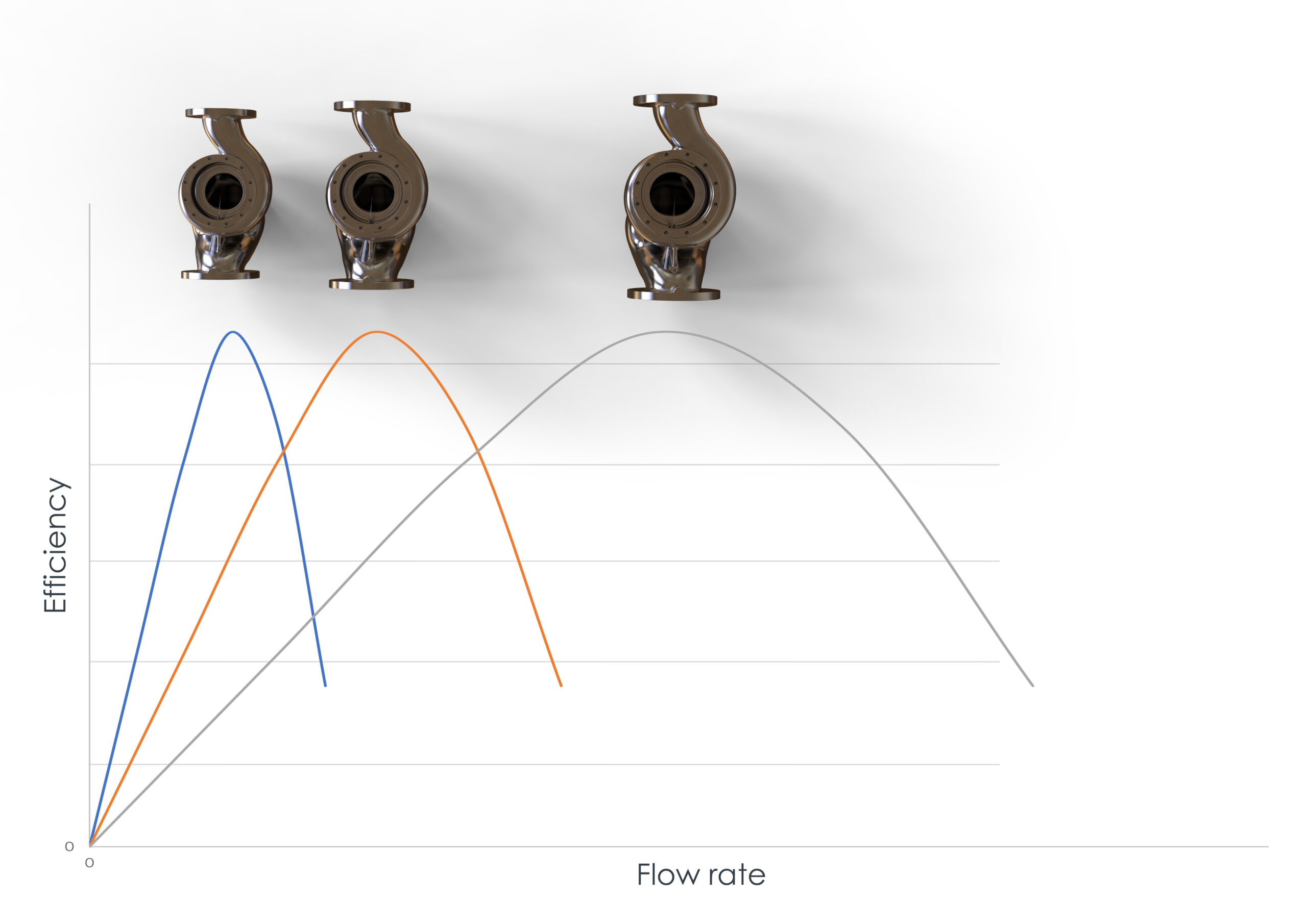
The bottom line is that if you do not operate exactly at the design point of your impeller/volute, you will make concessions in terms of efficiency.
To overcome this issue, Rodelta has introduced its diffuser technology. In a Rodelta diffuser pump, the pump housing serves simply as a collection unit while the diffuser (in yellow) carries out the functions of the volute. The diffuser is easier to produce from a piece of rod material something witch is not possible with a volute casing. The hydraulic technology that underlies it is complicated. For this Rodelta has created a program that ensures that each diffuser is optimized for the asked best efficiency point.


The light blue areas in the table are now also filled in with optimal efficiency due to the diffuser solution.
Additionally, the quantity of impellers is also an important aspect, apart from the amount of pump casings. When the impeller is trimmed, it creates an increasing gap between the impeller and the tongue in a volute pump, which negatively affects pump efficiency. Rodelta has found a solution to this issue with its customized diffuser design. The diffuser is specifically manufactured to match each customer’s requirements, allowing it to be adjusted to the size after trimming the impeller. By manipulating the number of channels and the flow passages, even greater efficiency can be achieved.

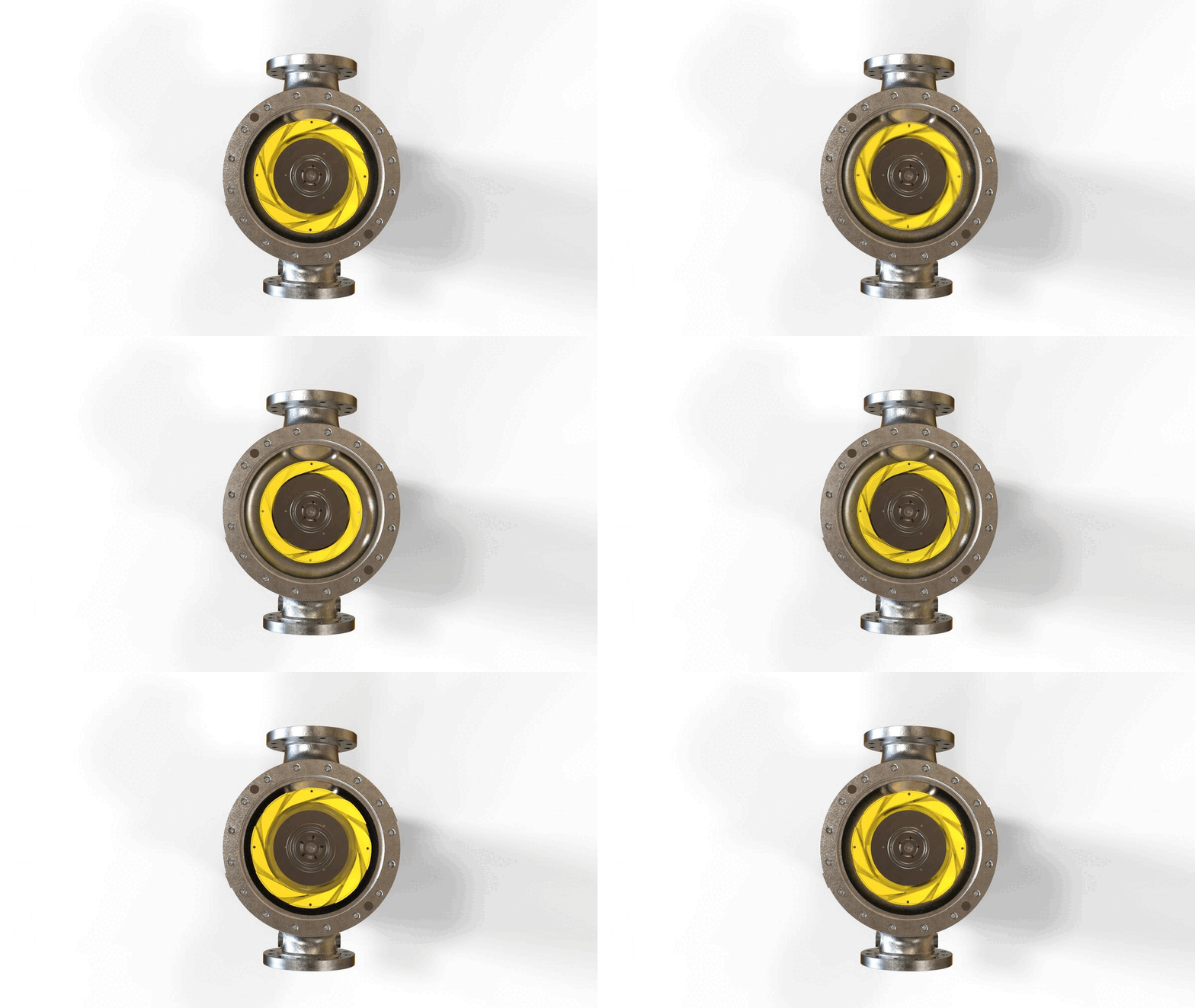
After trimming impeller, diffuser is adjusted to diameter and optimised.
But this technique brings even more benefits.
Go here for more benefits about designed diffuser technique:
o.a.
- Higher head rise to shut-off (HRTSO)
- Greater steepness
- Stability of the head curve
- Radial loads are cancelled out
- Lower vibration and noise levels
- Beter off-design operating
- Possibilities for retrofitting existing diffusers
Diffuser pumps also contributes to the United Nations Sustainable Development Goals (SDG), which companies are required to report on in their Corporate Sustainability Reporting Directive (CSRD).
More information HERE
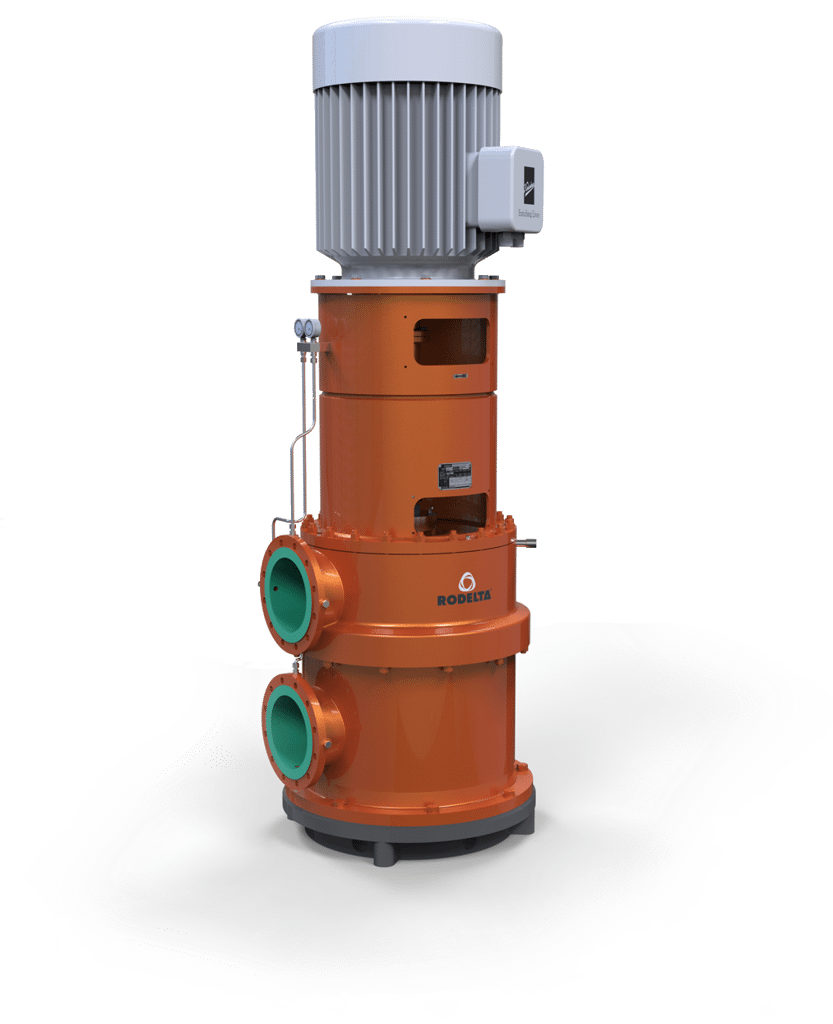
Examples of some Rodelta diffuser technology-equipped pumps.
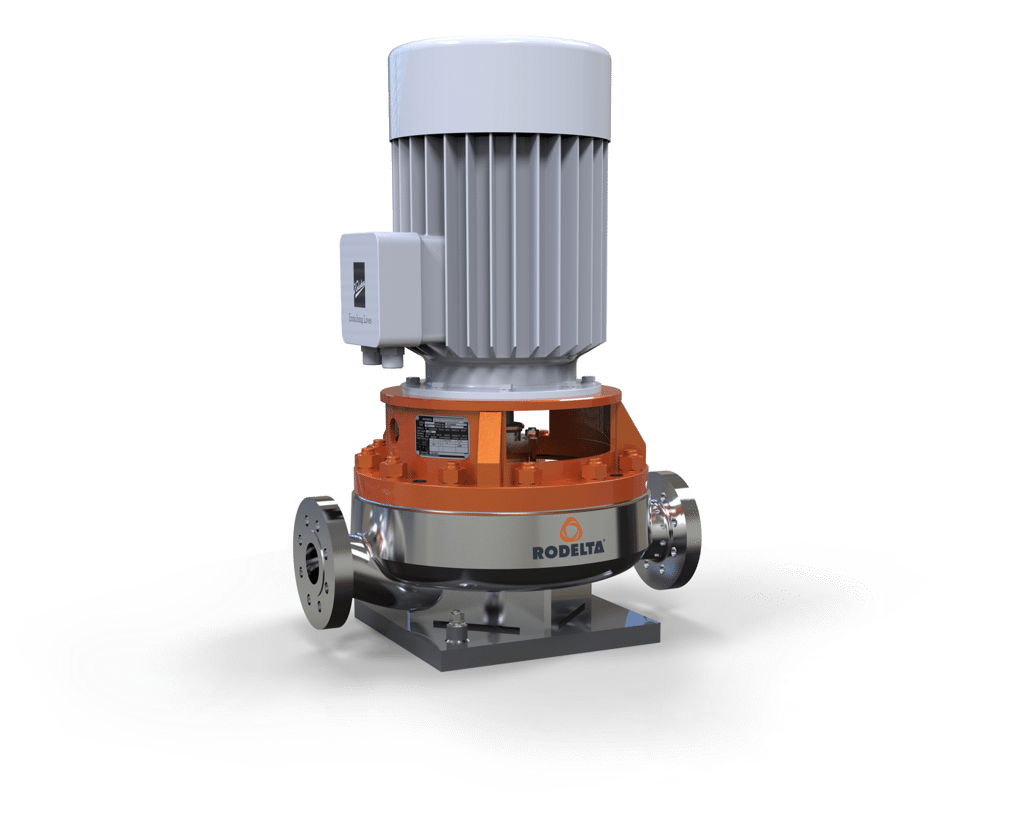
ETL vertical in line
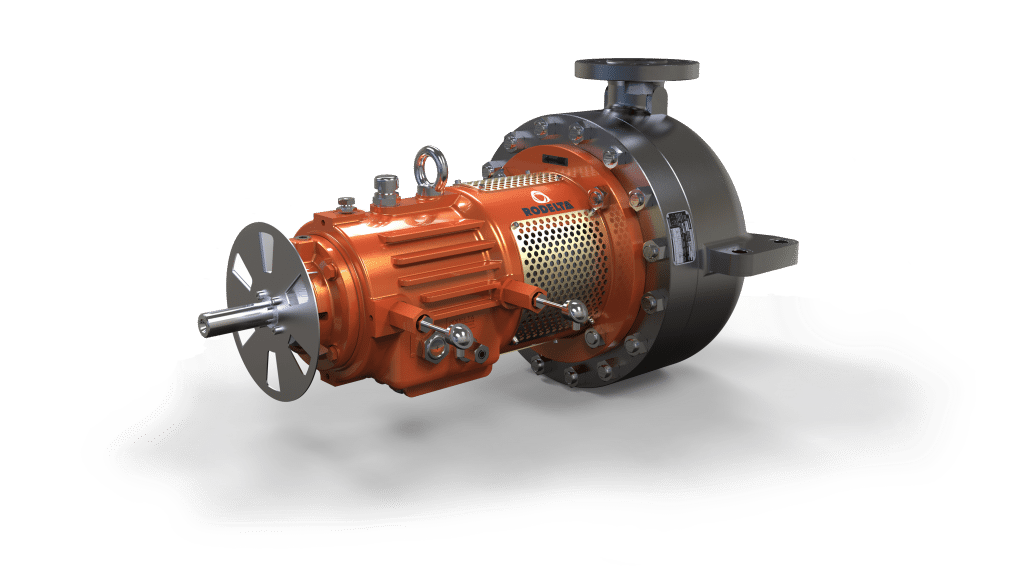
HZC horizontal overhung
LS drinking water pump