Today, water supply companies are very active in taking steps to ensure the future availability of drinking water. These efforts are the result of various factors, including the growing population and the increasing demand for sustainability in the drinking water sector. Furthermore, there is an urgent need to replace aging underground pipelines to improve the overall water infrastructure.
Additionally, climate change has had a clear impact on water availability. The impact of dry summers has emphasized the necessity of these investments. Water supply companies also face rising costs related to energy, materials, and resources, which require determined action and investments to ensure future access to high-quality drinking water while keeping it affordable. A valuable contribution to these efforts comes from an unexpected source.
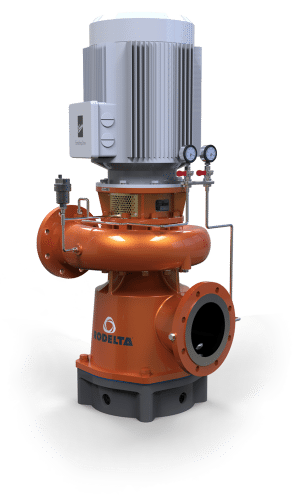
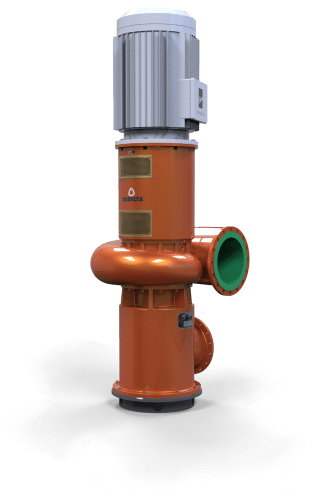
Rodelta offers solutions for issues related to pump systems. For Rodelta, it has always been essential to take the system in which the pump operates as a starting point when designing a high-performing pump. The design of Rodelta pumps is therefore based on this system-oriented approach, giving them a deep understanding of the many factors that influence a pump in a pump system and how they can perform optimally.
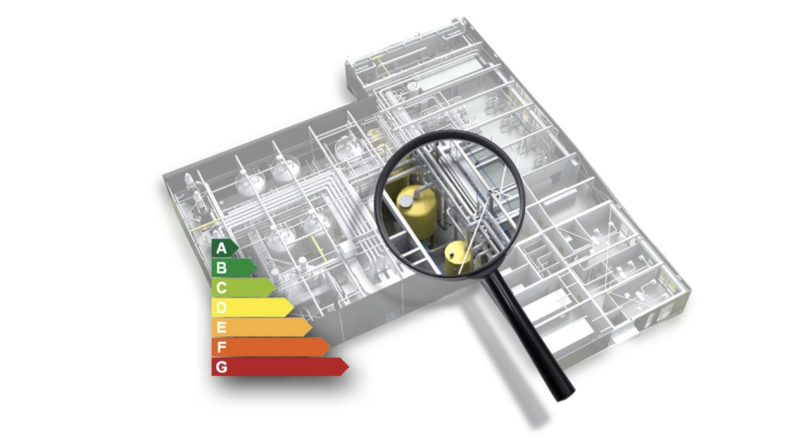
Rodelta’s expertise extends beyond designing pumps; they also use this knowledge to analyze their customers’ systems. In addition to providing advice on pipeline layout to the pump, Rodelta also offers the possibility to audit complete pump systems. (Performance audits)
In this performance audits, the customer can choose from various criteria regarding analyses:
- Are the pumps operating at their best operating point on their performance curve?
- Where is the bottleneck in your installation (piping system), and what can be done to improve it?
- Are the pumps optimally switched with respect to the E1000 value (when is switching the most intelligent in terms of energy consumption)?
- What improvements can be achieved through more efficient motors and frequency converters?
- Optimal pump selection and control with regard to expected water consumption. (Equal or different flow rates per pump, or the possibility of a simple pump upgrade later.)
- The amount of CO2 that can be saved through a system optimization based on one of the previously mentioned system scans
Rodelta offers the opportunity to help customers achieve remarkable improvements and savings, which can be expressed not only in monetary terms but also in CO2 reduction. Within the European Union, the importance of sustainability is increasingly integrated into reporting and regulations. Companies that meet certain criteria regarding full-time employees (FTE) and annual revenue are obligated to write a sustainability report. This sustainability report, like the financial annual report, must undergo content audits. The savings that Rodelta makes transparent through the aforementioned performance audits align seamlessly with the goals that sustainability reporting aims to achieve.
Below, the above-mentioned performance audit points are explained in more detail, providing a better understanding of the opportunities and prospects. First:
1. Are the pumps operating at their best operating point on their performance curve?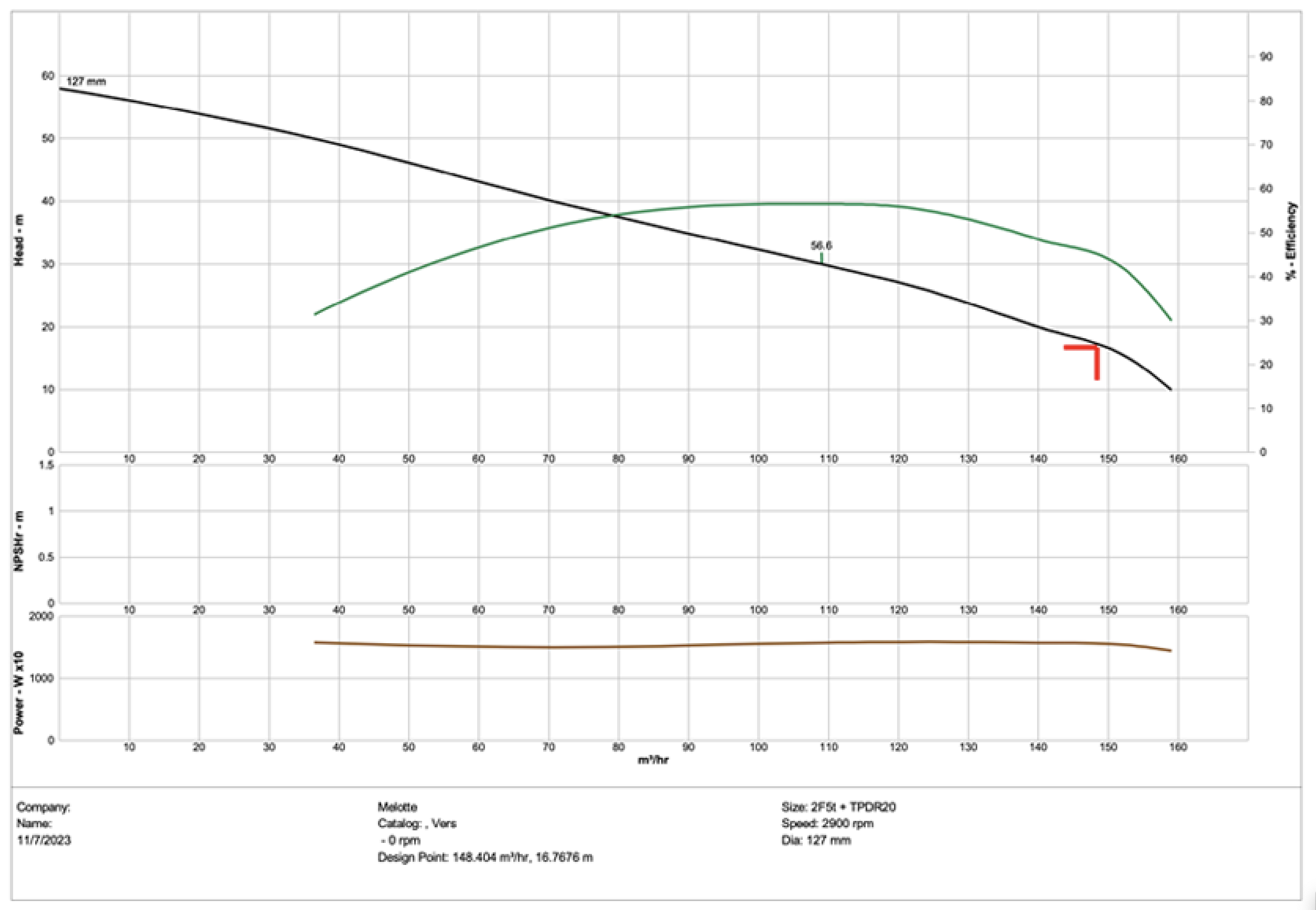
Based on the operational data provided by the customer, an analysis is conducted to determine whether the pumps operate within their optimal working range during their operation. Based on this analysis, efforts can be made to optimize this and identify potential energy savings. Pumps that operate far from their optimal working range can not only have a shorter lifespan but can also lead to various other issues such as noise and vibrations.
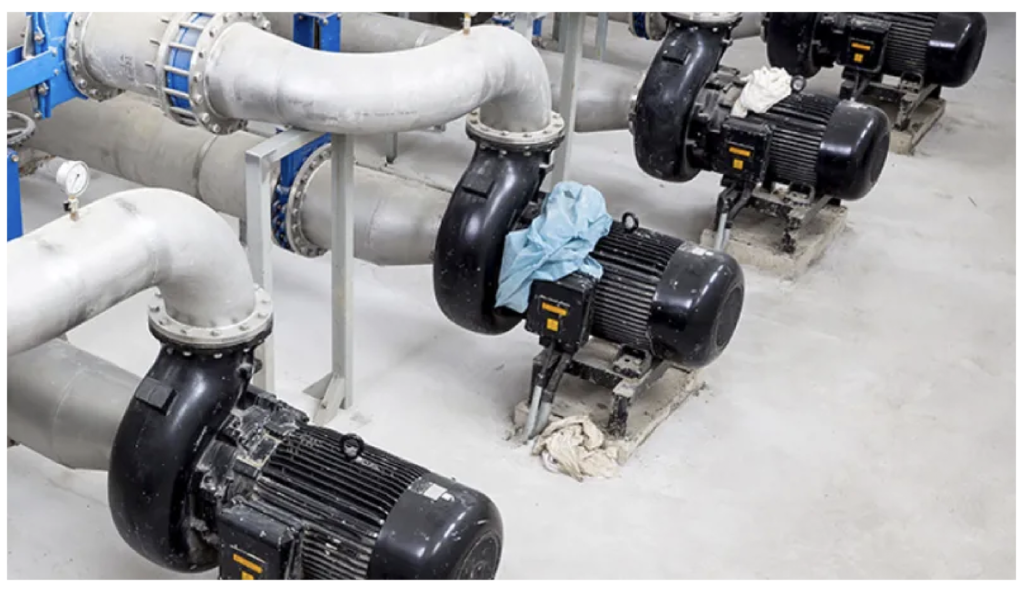
The existing piping system is analyzed based on the pump data provided by the customer. This analysis can help identify potential bottlenecks in the system, which may include energy losses as well as suspected sources of noise and vibrations. Additionally, recommendations are provided on how to improve and optimize the system where possible.
3. Are the pumps optimally switched with respect to the E1000 value (when is switching the most intelligent in terms of energy consumption)?
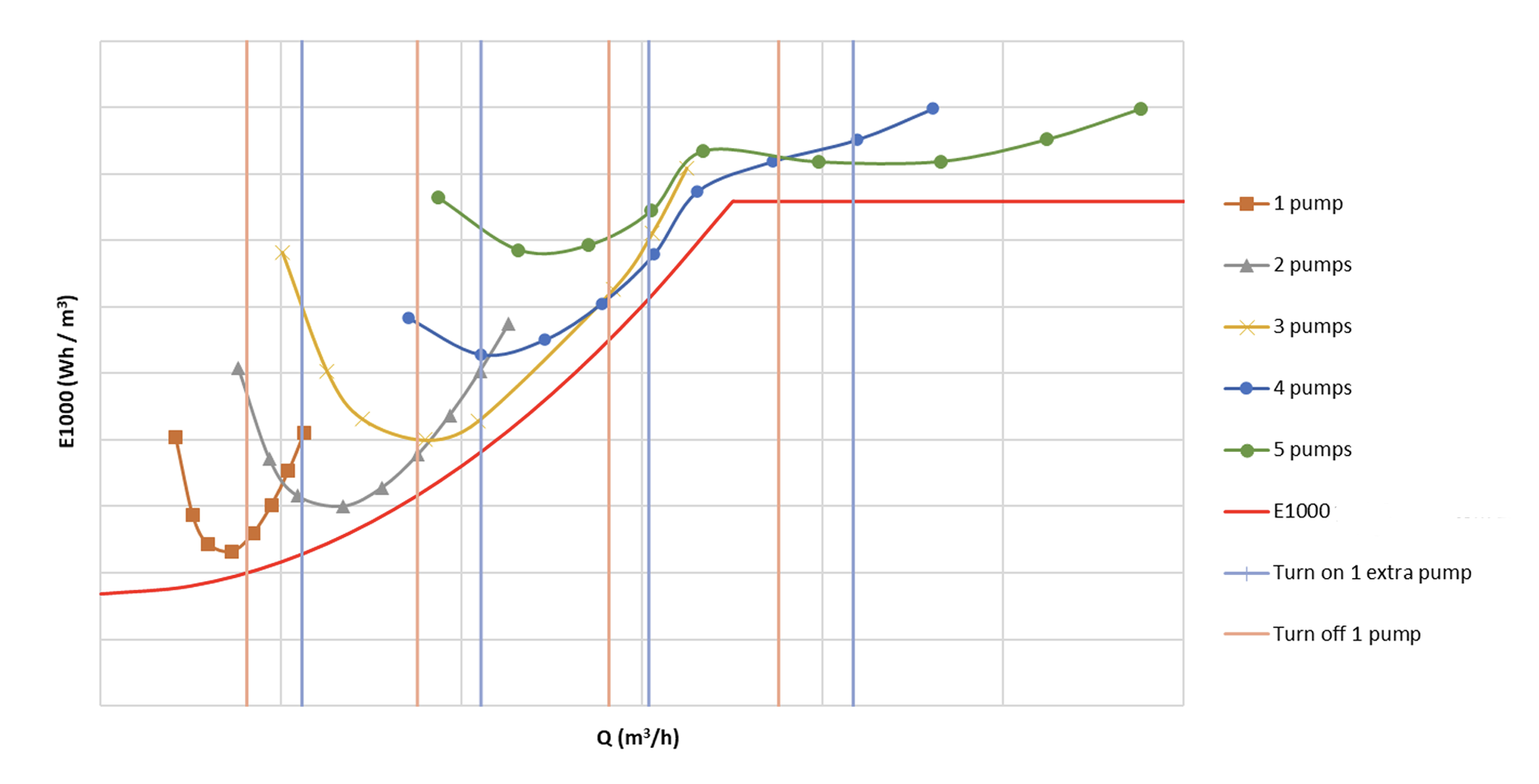
At a pump station, multiple pumps are sometimes used to move fluids, but the volume of fluid that needs to be pumped can vary. Additionally, the requirements may have changed over time. Therefore, it is wise to consider whether we can be more efficient in how we start and stop the pumps. It might even be a good idea to select pumps that better align with our current water needs. For this regard, we look at factors such as the E1000 value, which indicates the energy consumption in kilowatt-hours for every 1000 cubic meters of water we move.
4. What improvements can be achieved through more efficient motors and frequency converters?
In recent years, significant developments have occurred in the field of motors and frequency converters. At the moment, motors are available that meet the IE5 efficiency class. The main difference of this type of motor compared to traditional motors is the absence of slip. This offers significant advantages for pump applications that require a large operating range. This not only results in an improvement in overall efficiency but also often enables the choice of a more compact motor design. In addition, remarkable efficiency improvements are possible in the field of frequency converters, and together, these can lead to significant cost savings.
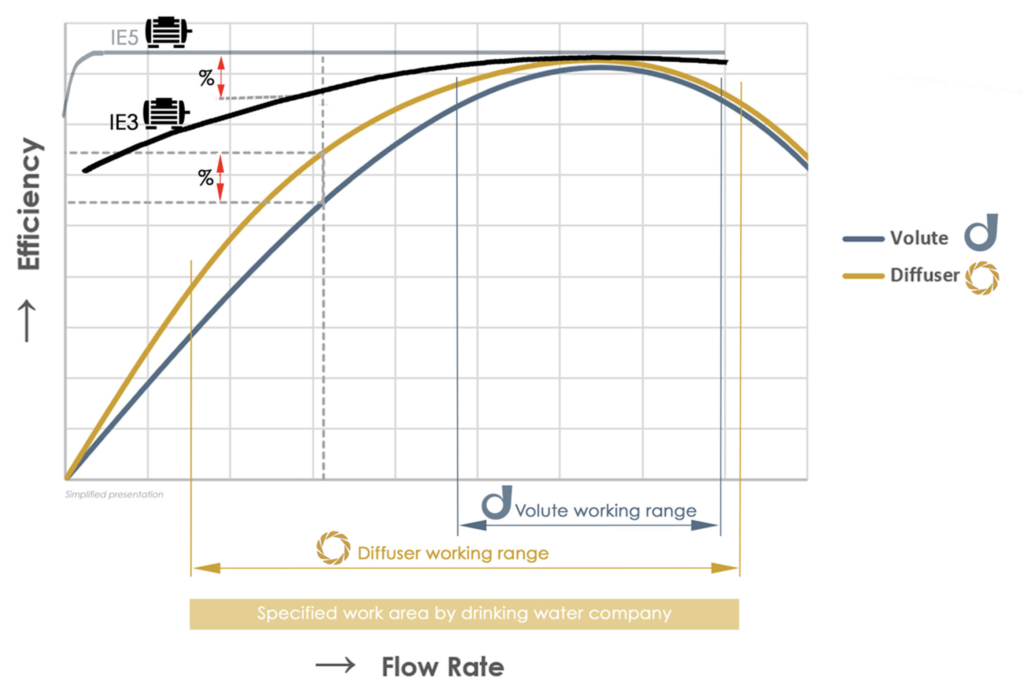
The upper red arrows in the graph represent the efficiency savings due to the direct torque that IE5 motors have compared to an IE3 motor.
5. Optimal pump selection and control with regard to expected water consumption. (Equal or different flow rates per pump, or the possibility of a simple pump upgrade later.)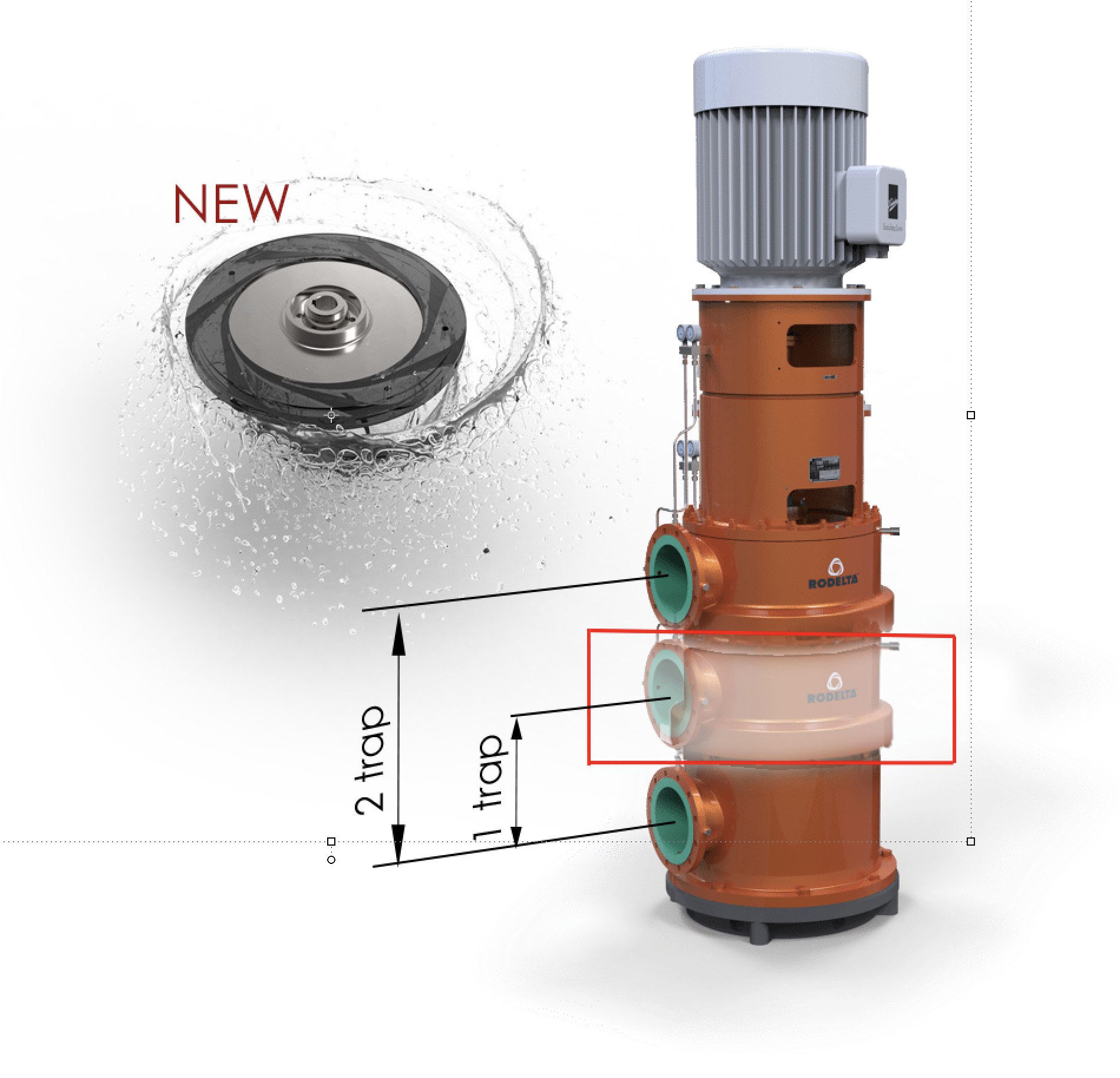
Rodelta not only conducts analyses for pump stations but also offers expert advice for the optimal selection of pumps in your pumping system. Our goal is not only to find the most efficient operational solution but also to pay attention to the future-proofing of your system. This includes the ability to add additional pumps, understanding the control options that the selected pumps provide, and the ability to seamlessly scale up with additional pump stages, enabling the same pumps to deliver higher pressures. Additionally, we explore opportunities for hydraulic upgrades in relation to future work requirements. This approach results in significant long-term cost savings for buildings and piping systems, while always optimizing pump efficiency.
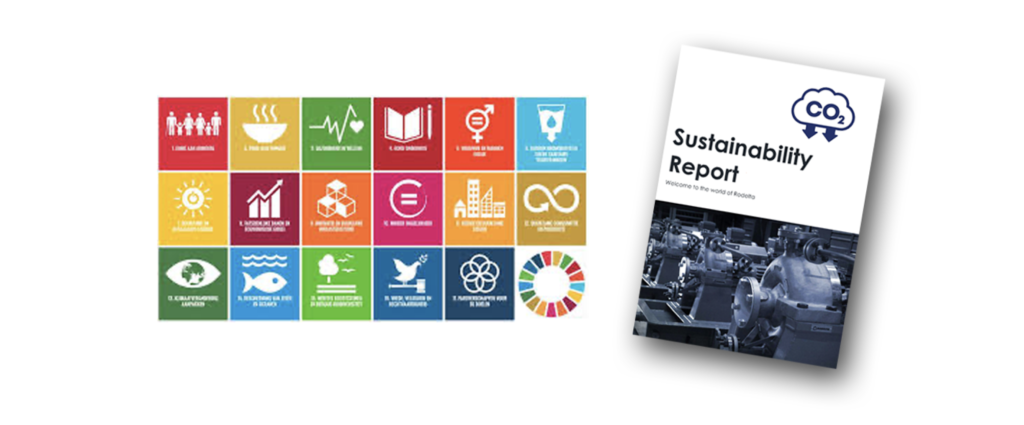
With this option, after selecting one or more analyses as described above, you will receive a report that provides a detailed list of energy savings achieved when the recommendations are implemented. Each point is accurately described, including its impact on associated CO2 emissions. This report is carefully prepared so that it can seamlessly integrate into your sustainability reporting, as agreed according to EU standards. This allows you to demonstrate, in a well-founded manner, the efforts you have made in the field of sustainability for that year. This alignment with the Rodelta’s Sustainable Development Goals (SDG).
If you have any questions or would like to learn more about these performance audits based on this document, please do not hesitate to contact one of our staff members. They will be happy to provide you with more information about the possibilities. You can reach us at info@rodelta.com or call +31 (0)85 049 5900.
P.S. Rodelta has entered into a long-term contract with Vitens, “one of the largest water suppliers in the Netherlands,” to perform this type of performance audits on their systems. Remarkable results are consistently achieved in this partnership.